

Insights
Explore the latest news, expert articles, and market outlooks to stay ahead of industry trends.
Newsroom

Explore Joint Investment Fund Opportunities
His Excellency Sou Socheat, the Delegate of the Royal Government and Director General of the Securities and Exchange Regulator of Cambodia (SERC), led a delegation to meet with representatives of Banjaran Asset Management (Cambodia) Plc. On the morning of Friday, October 11, 2024, His Excellency Sou Socheat, along with his colleagues, held discussions with representatives of Banjaran Asset Management (Cambodia) Plc regarding joint investment fund projects. The meeting proceeded smoothly with high-level cooperation. More Securities and Exchange Regulator of Cambodia

Roadshow: Cambodia's First CIS Fund Subscription 2024
On the morning of 10th October 2024, Banjaran Asset Management (Cambodia) PLC. (BAMC) proudly hosted the First Roadshow for Cambodia’s CIS Fund Subscription 2024, in collaboration with our esteemed partner ACLEDA Securities PLC. The event was honored by the presence of H.E. Sou Socheat , Delegate of the Royal Government in charge as Director General of the Securities and Exchange Regulator of Cambodia (SERC), who graced the occasion with his high presidency. This landmark event marks a pivotal moment in the development of Cambodia’s financial sector, where we officially introduced the BAMC Asia Equity Fund (BAEF) to the public. Through insightful presentations and dynamic discussions, we promoted the potential of the CIS fund to a diverse audience, including institutional investors, industry professionals, and individuals eager to explore new investment opportunities. The roadshow provided participants with a deep dive into the benefits and unique features of the CIS fund, showcasing how it paves the way for broader participation in Cambodia’s growing capital market. It also highlighted our commitment to delivering innovative financial products that cater to the needs of both local and international investors. This event not only signified a significant milestone for Banjaran Asset Management, but also underscored the rapid expansion of Cambodia’s financial markets and the increasing role of the CIS fund in driving economic growth and investment opportunities in the region. We are incredibly grateful for the support and participation of all attendees, and we look forward to continuing our mission to make financial investments accessible to all while contributing to the future growth of Cambodia's economy.

Earth Warriors Day 2024: Uniting for a greener future at Oudong Pagoda
Banjaran Asset Management (Cambodia) Plc is proud to have actively participated in Earth Warriors Day 2024. Our team joined forces with the community to contribute to a cleaner and more sustainable environment. Together, we remain committed to environmental stewardship and fostering long-term positive impact for future generations. 28-September-2024
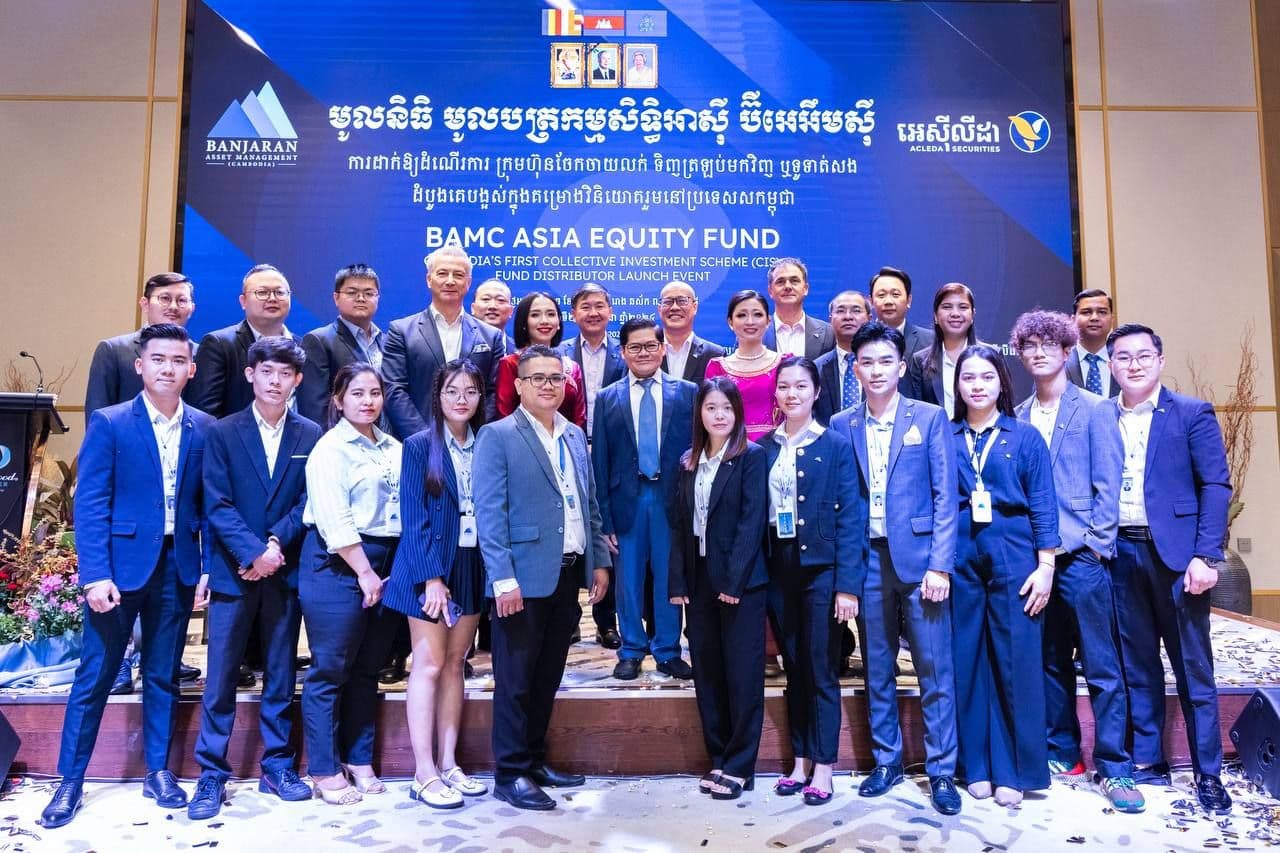
BAMC Asia Equity Fund – Cambodia’s First Fund – Fund Distributor Launch Event
On 23 July 2024, Banjaran Asset Management (Cambodia) PLC. successfully hosted the “BAMC Asia Equity Fund – Cambodia’s First Fund – Fund Distributor Launch Event.” The event marked a significant milestone with the official signing of the Fund Distribution Agreement between Banjaran Asset Management (Cambodia) PLC. and ACLEDA Securities PLC. The ceremony was held under the high presidency of H.E. Sou Socheat , Delegate of the Royal Government in charge as Director General of the Securities and Exchange Regulator of Cambodia (SERC), who was accompanied by associates from the SERC. The launch brought together distinguished guests, regulatory representatives, and valued partners, reflecting strong collaboration and support for the growth of Cambodia’s capital market. This milestone not only represents the introduction of the First Collective Investment Fund in Cambodia but also highlights the commitment of Banjaran AMC and its partners to creating accessible investment opportunities and strengthening the financial sector in this emerging market.

Unlocking Investment Opportunities: Banjaran Asset Management Explores CIS Potential in Cambodia
Phnom Penh, Cambodia – Mr. Aaron NG, CEO of Banjaran Asset Management (Singapore), participated in a lively discussion on the “Fireside Chat on The Opportunities, Preparedness, and Potential of the Collective Investment Scheme (CIS) Business.” The event, moderated by H.E Dr. Vin Pheakdey, Deputy Director General of the Securities and Exchange Regulator of Cambodia (SERC), delved into the evolving landscape of CIS in Cambodia. Mr. NG shared insights on how the CIS business can unlock new opportunities for local and international investors while addressing the preparedness of market participants. The discussion highlighted the potential of CIS to strengthen Cambodia's financial services sector and increase access to investment opportunities across the region.

Government and Banjaran Asset Management Hold Productive Talks on New Collective Investment Scheme Fund
Phnom Penh, Cambodia - A significant meeting took place between His Excellency Su Sochet, the Director General of the Securities and Exchange Regulator of Cambodia (SERC), and representatives from Banjaran Asset Management (Cambodia) PLC. The delegation, led by H.E. Su Sochet, met to discuss the establishment and future prospects of Banjaran’s new Collective Investment Scheme (CIS) fund. This crucial dialogue aimed to align regulatory frameworks with the goals of the fund, ensuring its compliance with Cambodian financial regulations. The new CIS fund is expected to provide Cambodian investors with a broader range of investment options, allowing them access to international markets and enhanced financial growth opportunities. The discussions were highly productive, with both parties expressing optimism about the future of the fund and its potential to drive growth within Cambodia’s burgeoning financial services sector. The meeting also reinforced Banjaran Asset Management’s commitment to promoting robust investment solutions while adhering to the highest standards of governance and transparency. This marks a significant milestone for Banjaran Asset Management (Cambodia) PLC as it continues to collaborate closely with the SERC, bringing innovative investment opportunities to the Cambodian market. More Securities and Exchange Regulator of Cambodia

Investment Education Series related to Collective Investment Scheme (Part Three)
The Investment in Collective Investment Scheme In part two of the Investment Education Series, we discussed the needs and merits of investing as well as the benefits of investment diversification. The article concluded that an investment fund, or Collective Investment Scheme fund offers the best option for individuals to invest and grow their wealth steadily over time. A fund also helps to lower investment risk through diversification, all while keeping investing affordable to the public. In this article, we will share the real case study of the first Investment fund that was approved by the Securities and Exchange Regulator of Cambodia (SERC) on 15 November 2023, the BAMC Asia Equity Fund (BAEF). BAEF is managed by Banjaran Asset Management (Cambodia) PLC (BAMC), a SERC-licensed asset management company based in Cambodia. The fund lawyer is HBS Law and the fund auditor is Crowe (KH) Co., Ltd, both of which got the accreditation from the SERC. The fund trustee is Stronghold Trustee Co., Ltd which is also a SERC-licensed CIS trustee. In summary, in the ecosystem of the CIS, all players shall get a license, approval, or accreditation from the SERC. About BAMC Asia Equity Fund BAEF is a fund investing in a diversified portfolio of 30 or more companies listed on major stock exchanges across Asia Pacific Ex-Japan. The fund targets to provide the benefits of investing in Asia, which economists globally see as the premier growth region in the coming years. The fund’s tagline is “The Rise of Asia”. According to the disclosure documents, BAEF targets a return of 7% to 10% per annum over the medium to long term, yet this return is not guaranteed. The investment in fund is considered as a form of a regular savings plan. The invested amount can eventually be used for children's education, healthcare, to part fund the purchase of a house, or for retirement. To invest in the fund, the investor shall obtain an investor ID from the SERC first. However, for those who already have the investor ID, they do not need to re-apply for the investor ID. Below is a term sheet for the BAEF fund: Key Consideration Before Making Investment Decision Generally, fund managers make investments using basic approaches like the top-down approach and bottom-up approach. A top-down approach is when the fund manager looks at macro factors such as, economic cycles, inflation, interest rates, global trends, etc. The bottom-up approach is when the fund manager looks at the features of the individual securities that they invest in such as, the balance sheet, profit and loss statement, management, products, and services, etc. The BAEF adopts both approaches in making their investments. Bottom-up Approach: Sustainable Growth in the Long-term The fund manager will select companies that have proven sustainable business models and have proven track records. The fund manager will look at audited financial statements, valuation, and quality of management amongst other things. Top-down Approach: Why Invest in Asia? Stable Productive Population in the coming 10 to 20 years Asia has a large population base and a favorable demographics. It has a large segment of the younger population which will translate to a stable productive workforce over the next 10 to 20 years. This will result in higher income and higher consumption. These factors will help to drive the region’s economy and its businesses to grow. Relative to poor demographics from regions like the US and Europe, Asia is preferred. Strong Economic Growth In terms of economic growth, Asia is also growing faster and is bigger than the EU and North America. According to an IMF report dated Oct 2023, real GDP growth in 2023 is highest in Asia Pacific at 4.4% vs EU at 1% and North America at 2.1%. As % a share of the total world’s GDP, Asia Pacific share is 45.6%, the EU at 21.0% and North America at 18.7%. Benefits from the World’s Largest Free-Trade Agreement and Pro-Business Governments Asia’s economic growth will be further enhanced after 15 Asian countries recently signed a free-trade agreement known as the Regional Comprehensive Economic Partnership (RCEP), which will be the world’s largest free-trading bloc. The free-trade agreement should enhance trading activities and thus further drive GDP growth as a result. In its forecast, IMF projected Asia to remain as the strongest GDP growth region in 2028 at 3.9% vs EU at 1.6% and North America at 2.1%. Investment Education Series related to Collective Investment Scheme (Part Three) Asian Companies are Recognizable Globally Asia now has many homegrown listed companies which are recognizable globally. These companies are well-managed and have strong financials. They include companies like Singapore Airlines, Alibaba, Tencent, Samsung Electronics, TSMC, Grab, BYD and many others. Asia Markets Remain Cheap Despite Asia’s bigger population base and stronger economic growth, Asian stocks trade at much lower levels as compared to EU and US stocks based on valuation ratios like price-to-earnings, price-to-book value, and price-to-sales. These ratios are financial metrics that measure and analyze stock prices in unit terms and compare them with those of peers or competitors. The lower the financial ratio, typically the more attractive is the stock market or a particular stock. Furthermore, Asia ex-Japan accounts for 58% of the world’s population, and 48% of the world's economy, yet it accounts for only 12.42% of the investments made in the stock markets globally. BAMC views that the under-representation of Asian stock investments will have to be adjusted upwards eventually. Is it the Right Time to Invest Now? There is no right or wrong time to invest in the stock markets. Investing is a disciplined approach to set aside the savings and put them regularly into investments like an investment fund. Past market cycles show that each time markets fall, they will rebound. And when they rebound, they will set a new market high. In other words, stock markets tend to rise over the long term though in between, they may correct according to economic cycle or on non-economic-related events like war, pandemic, etc. In the current situation, stock markets in general have fallen since the beginning of 2022 on the back of several key events like the Russian-Ukraine war and the sharp increase in US interest rate. Is this an opportune time to invest? BAMC has analyzed the past market cycles and noted that after each significant event that had caused stocks to fall, they had rebounded sharply after riding out that event: Asian Financial Crisis in 1997 – the collapse of Asian currencies led by the Thai Baht and which spread to other Asian currencies, caused Asian markets to tumble. But they rebounded some 155% from the low in 1997 until 2000. Dot.com Bust 2000 and September 2001 – global markets fell when the US dot.com bubble went bust in 2000, and it was further made worse by the September 2001 bombing of the Twin Towers in the US. A couple of years later in 2003, Asian markets started to recover and moved higher. It rebounded some 360% since 2003. Global Financial Crisis in 2007 – the collapse of US banks Bear Stearns and Lehman Brothers in 2007 caused global markets to take a sharp tumble. The fall was rather short-lived and within less than two years, global markets recovered sharply by 236%. COVID-19 in 2020 – again global markets took a nosedive when the pandemic started. However decisive action by global central banks to provide funding to businesses affected by the pandemic caused the markets to again rebound very quickly. The markets fell but rebounded within a short span of six months by some 90%. Russia-Ukraine war and spike in inflation and interest rate hike in 2022 – markets have since fallen. Is it time to buy? An article from the Securities & Exchange Regulator of Cambodia (SERC)

Investment Education Series related to Collective Investment Scheme (Part Two)
Why Invest and the Importance of Investment Diversification Investment diversification across different asset classes would lower the risks compared to traditional investment portfolios. With the launch of the first Collective Investment Scheme (CIS), which was approved by the Securities and Exchange Regulator of Cambodia (SERC) recently, Cambodians now have an opportunity to further protect their investments. The CIS scheme now allows Cambodians to diversify their asset types into more legitimate investments across different countries which in turn lowers the risks. A further line of protection is with the investments being carried out only with fund managers licensed by SERC. The SERC recently approved Cambodia’s first SERC-approved CIS fund – the BAMC Asia Equity Fund, managed by Banjaran Asset Management Cambodia. Diversification of investment is not a new concept and is something that is propagated and recommended even by the world financial leaders. According to the world’s 6th richest man and famous investor Warren Buffet, “Never depend on a single income. Make an investment to create a second source”. There are many benefits to investing whereby it helps wealth creation with investors making more money. For Cambodians, it also paves the way for financial independence, eventually leading to them not worrying about their financial stability. It can also be a solid source of additional income to top up their regular income. Importantly, it could also serve as a protection against inflation, giving the investor the freedom of affordability when prices of goods increase. The positive wealth-creation effect of investing is illustrated in Figure 1 below: Investors, naturally would expect their assets to grow over time as they continue to maintain their investments. However, it is also important to note that all investments come with a certain amount of risk. The higher the return, the higher the risk. These risks can be moderated through a simple action of diversifying the investment in the regulated financial products. Currently, Cambodians tend to grow their wealth primarily through two forms of investments: bank fixed deposits and land-related investments. According to CEIC Data, in August 2023, Cambodia saw a record high of US$40.9 billion in total bank deposits. This was an increase from US$37 billion recorded a year ago. ❖ Other Types of Investment There are many investment options available for investors, ranging from lower-risk investments like bank deposits and investment-grade bonds to the extremely high-risk investments like private debt and private equities where investors may potentially lose all their invested capital. ❖ Investment Diversification Investment diversification is the process of spreading your investments across different asset classes (bank deposits, stocks, bonds, real estate, etc), across different countries (HK/China, US, Japan, Singapore, Thailand, etc), and across different industry sectors (banking, consumer, technology, property, etc). The main objective is to spread the risk such that if one investment goes bad, it should not affect the overall investment. When investments are diversified, the risk is lower. In an equities collective investment scheme fund, for example, the risk of investing in stocks can be reduced through diversification. This is done by creating a basket of stocks (known as a portfolio) comprising of 30 different stocks. The diversification benefits include not just from an increase in the number of stocks invested, but also by investing in different countries and across different industry sectors such as banking, property, consumer, telecoms, technology, etc. Through diversification by adding more stocks to a fund, the risk is greatly reduced. The illustration below shows the diversification benefit-risk reduces as more stocks are added to the portfolio: One point to note is that while adding more stocks to a portfolio will reduce risk, it will come to a point where the residual risk cannot be further reduced as more stocks are added. This residual risk is known as the market risk (indicated by * in Figure 3), which cannot be diversified away. An example of market risk is when a major war breaks out, or a global pandemic that goes out of control, on a scale that is worse than COVID-19. For an individual, it is troublesome to practice investment diversification. Firstly, the investment amount may be too small to diversify into different asset classes, or to buy too many stocks. Secondly, transaction costs may be high and will affect the investment return as a result. Thirdly, the investor may not have time or knowledge to track the different investments and this may lead to taking no action as a result. And lastly, investors may lack the discipline to maintain proper investments. Likewise, Cambodians generally should diversify their asset types into more legitimate investments. A good diversification would be to invest some in fixed deposits, land-related investments, and collective investment scheme funds. Collective Investment Scheme (CIS) fund collects monies from different investors and pools them together for investment purposes. Each investor retains ownership and control of his own units in the fund. The fund then invests in assets like stocks, bonds, real estate, etc. For an equities CIS fund, for example, a professional fund manager licensed by the SERC does the investment work. Investors can choose when to invest or exit the fund. Funds come with different investment strategies and objectives and appeal to different investors with different risk appetites. Investing in a CIS fund should offer investors an easy way to meet their investment and investment diversification objectives. An investment fund offers multiple benefits. This includes it being professionally managed by a SERC-licensed fund manager and the fund is separately approved by the SERC for sale to the investing public. It may offer diversification benefits as some CIS funds will invest in a diversified portfolio of stocks across different countries and different industry sectors The initial investment amount can be set at an affordable level, for example as low as US$500. With this small amount of investment, an investor can own units in a portfolio of approximately 30 stocks or more. It also gives Investors the right to buy and sell the fund on a daily basis with the pricing of the fund being transparent and published daily in the local media. Investing should generate a reasonable, positive return with a manageable degree of risk. Individuals should generally invest in products that are regulated by the SERC, and managed by SERC-licensed fund managers. To be able to invest in a fund unit, the investor shall obtain the Investor Identification Number (ID) from the SERC first. Investors should also practice investment diversification to minimize investment risk. CIS fund offers investors the ease of investing, and also provides the other benefits from investment including diversification. An article from the Securities & Exchange Regulator of Cambodia (SERC)
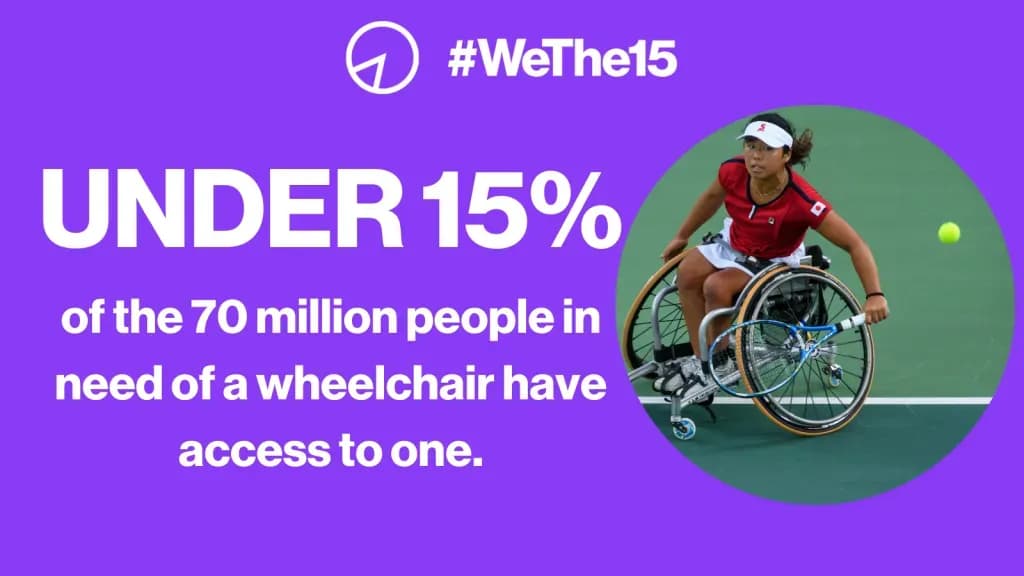
Joins Global "#WeThe15" Movement at National Centre of Disabled
Phnom Penh, Cambodia – Banjaran Asset Management (Cambodia) PLC. participated in the global "#WeThe15" event held at the National Centre of Disabled. This event, part of the worldwide campaign to represent the 1.2 billion people living with disabilities, aims to advocate for their inclusion, rights, and visibility. As part of the "#WeThe15" movement, Banjaran Asset Management (Cambodia) PLC stood alongside other organizations in promoting greater awareness and support for persons with disabilities. The event featured a series of engaging activities, discussions, and initiatives focused on driving equal opportunities and improving accessibility for those with disabilities. Banjaran Asset Management (Cambodia) PLC's involvement in this global initiative highlights its dedication to corporate social responsibility, fostering an inclusive community, and supporting efforts toward equality and empowerment. Through initiatives like "#WeThe15," the company remains committed to making a positive impact both locally and globally.
Market Outlook

2026 February Market Outlook: From U.S. Policy Turmoil to Mixed Signals Across Asia
The geopolitical scene in the US has been uncertain and volatile. The January jobs report exceeded expectations, though employment gains were largely concentrated in the healthcare sector. Kevin Warsh, known for his hawkish stance, has been nominated as the next Federal Reserve Chair, though this remains to be confirmed by the Senate. In the past week, the Supreme Court has ruled against President Trump’s International Emergency Economic Powers Act (“IEEPA”) tariffs. In return, the Trump administration acted quickly to impose 10% global tariffs, and immediately raised to 15% that will remain effective for 150 days under a separate trade law. These developments have contributed to a weakening US dollar, which is further exacerbated by rising US-Iran military tensions. Gold extended its rally and reached new highs, while silver surrendered most of its gains. Investors remain cautious amid sharp swings in these traditional safe haven assets. In Asia, market performance has been mixed. Indonesia experienced its largest stock crash since 1998, whereas South Korea and Taiwan delivered strong returns. Markets have shown heightened sensitivity to the external macro environment, resulting in intermittent pullbacks. Most recently, Chinese stocks rose as IEEPA tariffs were removed as China is set to face lower duties on shipments to the US. The Shanghai Composite and Hang Seng indexes also experienced recent declines, as is expected due to thin trading volumes during the Lunar New Year holiday season. Overall sentiment towards Asian equity markets amid the uncertain global political climate remains positive. Against this backdrop, we continue to diversify across different markets and sectors while remaining selective to stock selection, particularly within the technology sector. We continue to maintain a disciplined, bottom-up approach in portfolio construction.

2026 January Market Outlook: A Month That Redirected Market Attention
The New Year began with subdued volatility, but the calm was subsequently shattered by geopolitical events, notably US’s desire to take over Greenland for its strategic Arctic Circle argument. Demand for gold and silver skyrocketed with prices hitting new fresh highs. However, these high precious metal prices can create a range of challenges for precious metal-dependent industries like solar panel makers and EV producers which use silver as part of their components in their production. This may further impact the profitability of the solar panel makers which are already facing an oversupply situation. Asian markets started the year mixed but with some positive moves. Several key themes are driving the markets, central amongst them is a strong Asian IPO pipeline especially in Hong Kong and India. Other country-specific themes that are driving the markets include the deployment of funds from the Equity Market Development Programme in Singapore. The Korean Kospi has exceeded their President’s target, with technology companies fueling the rally on accelerated semiconductor demand. China surprised with an export outperformance with a record 2025 trade surplus, plus resurgent interests in AI-related tech names. While in Japan, performance is mixed where there are concerns with the volatility and soaring yields in the Japanese Government Bonds market. In 2025, US technology stocks dominated investor attention for much of the year, later turning to precious metals commodities. This period also underscored the importance of diversification and currency exposure beyond the US. With growth now amplifying across global markets, moderate softening of the US dollar may act as a drag on returns from US assets. Against this backdrop, we retain our emphasis on broadening exposure to other markets and sectors while being mindful of our stock selection, particularly in the technology sector. We continue to maintain a disciplined, bottom-up fundamental approach in portfolio construction.

2025 December Market Outlook: Protecting Value as Risks Reprice.
The hawkish rate cut signaled the Fed’s caution, even as tariff-related inflation pressures appeared to be fading. November’s jobs report suggested a subdued consumer environment. Unemployment had risen to its highest level since 2021, and retail sales remained unchanged despite Black Friday sales. Though the Trump administration has softened its language on China, recent developments highlight the delicate truce in their trade war. The U.S. has restricted China’s access to technology, such as permitting limited Nvidia chip exports, and formed an international partnership to counter China’s rare earth dominance. Across Asia, the picture remains mixed. The weaker U.S. dollar alleviates pressure on currency weakness in countries like Indonesia, South Korea, India, and the Philippines. The Bank of Japan have responded to the Fed’s rate cut by raising interest rates by a quarter point in a widely expected decision. In China, the economy continues to be supported by sustained capital inflows and the boom in exports while pivoting away from dependence on U.S. consumers. This was in spite of the property sector slump, missed industrial production expectations, weak retail sales, and unchanging unemployment rates. Measures to drive consumption appear ineffective, and rising trade frictions with countries beyond the U.S are weighing on sentiment. Investors are increasingly watchful for signs of an AI-driven bubble, including circular financing risks inflating valuations, where such dynamics could unwind abruptly. Against this backdrop, investors face a strategic dilemma - rein in AI exposure ahead of a potential bubble popping, or double down to capitalize on game-changing technology breakthroughs. In response, we are positioning portfolios defensively and broadening exposure to other sectors. This includes increasing allocations to commodities such as silver and gold, which can serve as stores of value, and consumer staples, that tends to offer more resilient demand. We continue to maintain a disciplined, bottom-up fundamental approach in portfolio construction.

2025 November Market Outlook: AI Bubble Alert
Mega-cap chip making company Nvidia Corp (“Nvidia”) became the first company to hit $5 trillion market capitalisation, likely due to U.S. President Trump’s comments ahead of the trade talk with Chinese President Xi Jinping at the end of October. The talk resulted in a consensus on cooperation in expanding agricultural trade and pausing the rare-earths licensing regime for a year. Mid-November saw the conclusion of the record U.S. government shutdown, which lasted 43 days, and put an end to unpaid furlough and other government operations. Consequently, the October jobs report was cancelled due to insufficient data. The ambiguity around unemployment rates raised uncertainty about the state of the U.S. economy. Compounding concerns were exacerbated by growing anxieties about stretched valuations of an “AI bubble”, which led to a selloff towards the end of November. Similarly, the Asian equity market, primarily due to technology companies in the AI landscape, slumped after an initial rally in the previous month’s end. In the semiconductor space, South Korean company Samsung Electronics Co., Ltd. reported an 80% surge in profit and SK Hynix Inc. continued to lead in chip memory. In China, different industries continue to diverge as technology companies grow while consumption and property remain a drag. In response, China’s policymakers are evaluating various measures to support the housing market. The MSCI Emerging Markets Index fell sharply, and losses were led by the tech heavy Korean Kospi index where the aforementioned Korean companies posted steep declines. Looking ahead, we remain cautious of the volatility in the markets. Due to concerns about inflated valuations for technology companies, the pullback observed in late November may have been a profit taking move or a price correction. Investors remain watchful for indicators of the widely discussed AI bubble, and signals for a potential burst. Against this landscape, we maintain a disciplined and balanced approach, grounded in bottom-up fundamental analysis in our portfolio construction.
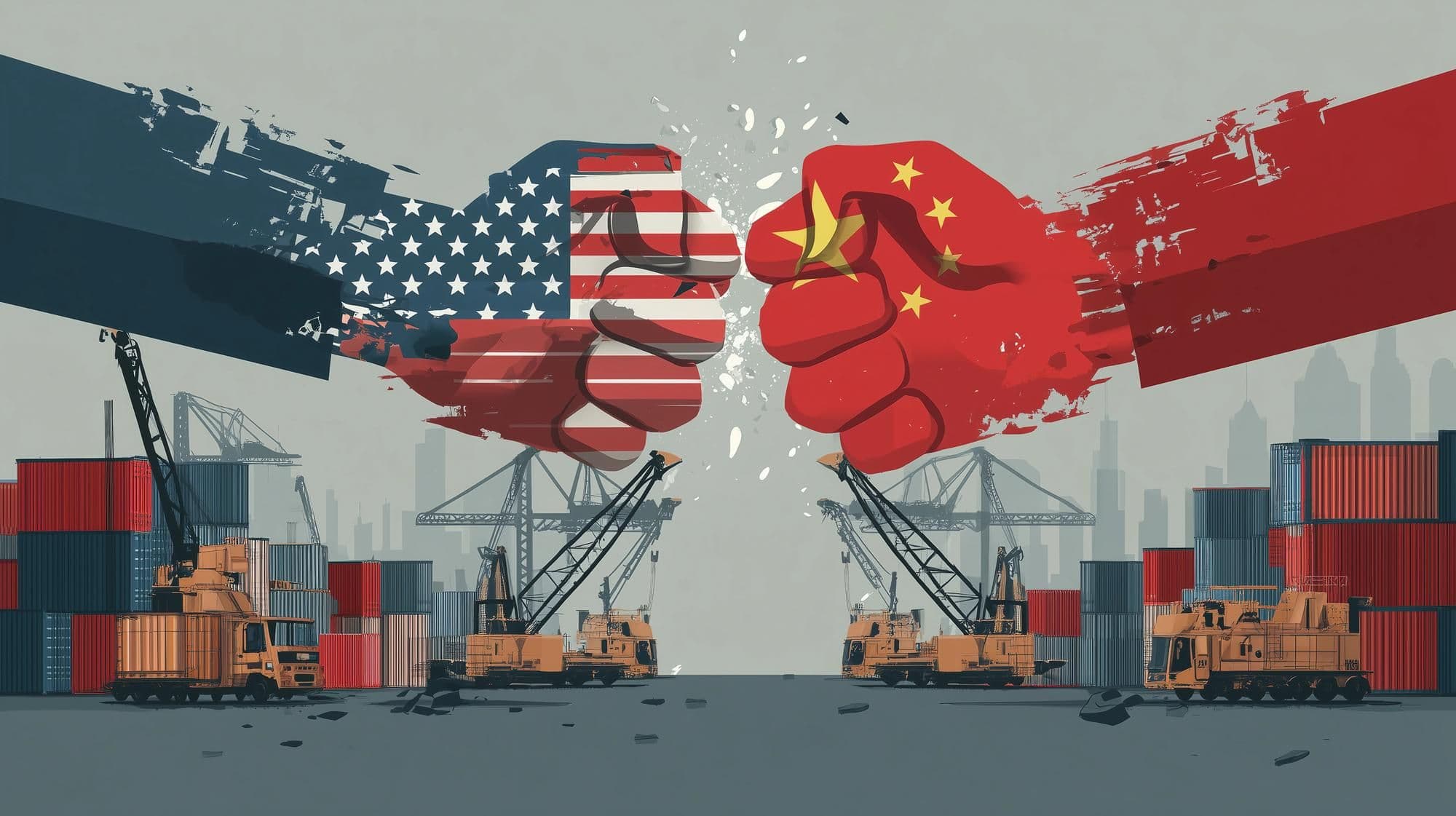
2025 October Market Outlook: Between Tariffs and Growth — Searching for Stability
Towards the end of September, in an effort to protect American jobs, the Trump administration made surprised changes to immigration visa laws that target foreign talent, particularly those working in the U.S. technology sector. Amongst the heaviest users of this targeted immigration visa scheme include Amazon.com Services LLC, Meta Platforms Inc, Apple Inc and Google LLC. Later that month, the U.S. Immigration Service issued guidance that included exceptions, thus stabilising concerns. However, the labour market outlook remains uncertain with the shutdown of the U.S. government, which began on October 1st. Consequently, data reports such as the official U.S. monthly jobs report and the labour-intensive Consumer Price Index report would likely be delayed amidst the impending mass firing and unpaid furlough of certain segments of federal workers. In China, September data showed low domestic demand, a continued property downturn and the weakest economic growth in a year. With the ongoing US-China trade war, Chinese regulators have urged against the use of Nvidia chips completely, stating that domestic chips are adequate in delivering comparable computing power. As such, Chinese domestic chipmakers have benefitted from efforts to become self-sufficient, and this move should serve as a catalyst to grow the technology sector. China tightened exports of rare earth where products that contain certain rare earths or traces of it sourced from China will now require an export license. With a 70% share of global supply, the supply crunch would be felt by the U.S. and Europe. In response, the U.S. imposed a 100% import surtax on Chinese goods effective November 1st, ahead of the 90-day tariff truce that was set to end on November 9th. Despite the trade war uncertainty, Chinese exports rebounded in September from a slump in August, beating estimates and increasing 8.3% year over year while imports grew 7.4%. The sweep of high tariffs from the U.S. have led China to seek imports from other avenues, such as Brazil and Argentina for soybean, which has caused farmers in the U.S. to scramble for buyers. On the other hand, aggressive price competition among manufacturers in China have led to what has been termed ‘Chinese dumping’, where low prices due to Chinese imports are alarming domestic producers in India, Africa and South-east Asia. Looking ahead, we remain cautiously optimistic of the global markets. In the U.S., businesses and households are concerned over trade tariffs, changes to immigration laws and the shutdown of the U.S. government. The structural imbalance in China represented by slow domestic growth and heavy reliance on export further weighs on global financial markets and investor confidence. Despite the uncertainty, there were reports of pockets of positive news. Alternative data in the U.S. such as restaurant bookings and theatre box office receipts reflects resilient consumer activity. The number of seated diners was up 9% from last year and domestic box office grossed 13% more than the previous month.

2025 September Market Outlook: Bullish Trends Meet a Cautious Reality
August began with higher reciprocal tariffs imposed by the U.S. on its trading partners. Notably, a 50% tariff on India that included a 25% penalty for purchasing Russian oil and weapons. Meanwhile, the U.S. and China extended a tariff truce for another 90 days to 10 November. Credit spreads narrowed further in August, indicating continued high investor risk appetite. Equity markets broadly advanced, reinforcing bullish sentiment amid strong earnings from technology driven firms. That said, investors are growing cautious about returns from technology and particularly, AI investments. Economic data indicated a struggling Chinese economy with low factory output, weak retail sales, troubled property sector and high unemployment. This raises the likelihood of policy support in the fourth quarter; economists suggest monetary easing and fiscal expansion. Despite underwhelming economic data, the Chinese stock market stands at a stark contrast to the economy with the Shanghai Composite Index at a 10-year high. Additionally, the government announced their aim to triple chip output in 2026. The reluctance of household spending is evident in the size of savings worth more than 60% of the total value of the Chinese stock markets, leading analysts to believe that the rally is supported by long-term and institutional investors. Key drivers include the strategic deployment of state funds, inflows from global institutional investors—such as major U.S. financial institutions like Goldman Sachs and JPMorgan, as well as large Singapore-based funds—and increased participation by domestic mutual funds and insurers. Looking ahead, we remain cautiously optimistic. While trade frictions, sticky inflation, and geopolitical tensions continue to weigh on sentiment, global activity remains resilient. Primarily driven by technology companies’ robust earnings, U.S. equities performed well, with S&P 500 and Nasdaq reaching record highs in August. Despite an initial pullback, markets have broadly rallied since, buoyed by expectations of two more rate cuts this year, moderating inflation, and resilient corporate earnings. Within Asia, institutional investors looking for diversification beyond U.S. assets are lured by China’s stock market bull run. Against this backdrop, we maintain a disciplined and balanced approach, grounded in bottom-up fundamental analysis in our portfolio construction.