

Insights
Explore the latest news, expert articles, and market outlooks to stay ahead of industry trends.
Newsroom
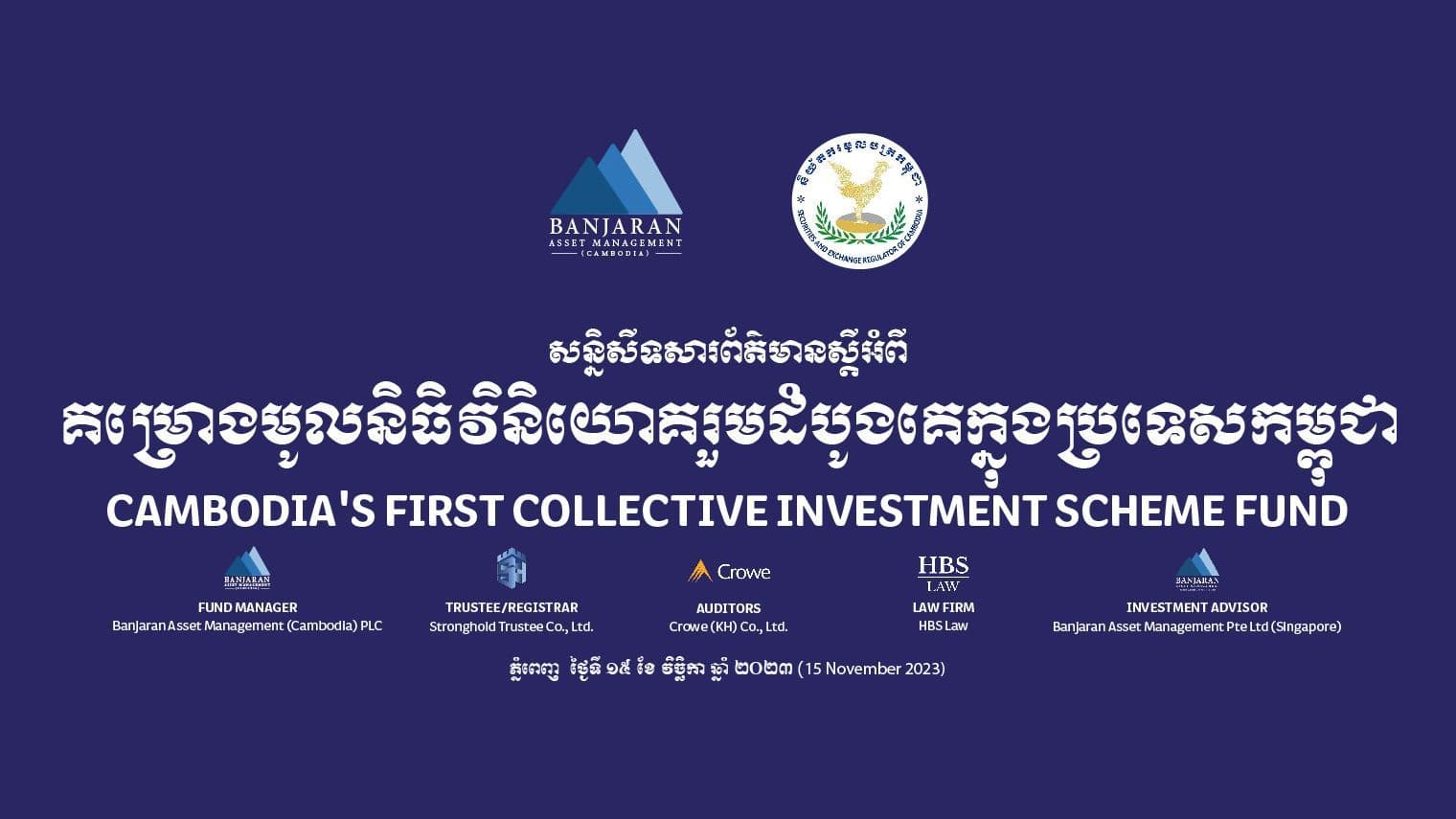
Press Conference - Cambodia First Collective Investment Scheme Fund
Press Release Banjaran Asset Management (Cambodia) PLC (“BAMC”) has successfully obtained approval from the Securities and Exchange Regulator of Cambodia (“SERC”) to launch the BAMC Asia Equity Fund (“BAEF”) in the Kingdom of Cambodia. BAEF is the first retail fund to launch for sale in the Kingdom which the public will be able to invest in. BAEF is an investment fund investing in a diversified portfolio of companies listed on major stock exchanges across Asia Pacific Ex-Japan. The fund targets to provide the benefits of investing in Asia, which economists globally see as the premier growth region in the coming years. The fund’s tagline is “The Rise of Asia”. Being the first SERC-approved retail fund to launch in Cambodia, BAMC will give Cambodian investors, who to date have narrowly relied on bank deposits to grow their wealth, an opportunity to diversify their investments. In addition, Cambodians would no longer need to travel to foreign financial centers to access investment opportunities outside the Kingdom. BAEF is the first of a series of funds that BAMC plans to bring to the investing public in Cambodia. To make the fund accessible to all investors, BAMC has set the minimum investment amount at just US$500. BAMC is the fund manager of BAEF with Banjaran Asset Management Pte Ltd (“BAMPL”) of Singapore as the investment advisor. Stronghold Trustee Co., Ltd (“ST”) is the trustee of the fund. Her Excellency Chan Theany (“HE Theany”), Chairwoman of BAMC said: “We are honored and happy to be the first fund management company in Cambodia to successfully launch a SERC-approved public collective investment fund. I am proud to report that in the process of obtaining the various licenses and approvals, we have trained a team of local Cambodians to take on various roles in the areas of asset management. For the launch of BAEF, we have brought in international fund management expertise and its best governance practices. We hope this will set a high standard for the asset management industry going forward.” Mr. Aaron Ng (“Aaron”), CEO of BAMPL said: “BAMPL is proud to be the investment advisor to BAEF, Cambodia’s first approved public investment fund. We have extended our experiences, international practices, and best governance practices to BAMC. We offer our best wishes to BAMC on this launch.” About BAMC Asia Equity Fund (“BAEF”) The BAEF is an investment fund that invests in stocks listed in major stock exchanges in Asia Pacific Ex-Japan. It aims to deliver an expected return of 7-10%* per annum over the medium to long term. The Fund is expected to be diversified with at least 30 stocks across Asia (eg. Singapore, Hong Kong/China, Australia, Thailand, Malaysia, Indonesia, Philippines, etc.) and across various sectors (eg. Banking, Property, Industrials, Consumer, Telecoms, Technology, etc.). The Fund is domiciled in the Kingdom of Cambodia and is USD-denominated. The Fund will accept subscriptions and redemptions daily and the daily unit price of the Fund will be available on various media channels. *- Investment return is not guaranteed. About Banjaran Asset Management (Cambodia) PLC (“BAMC”) BAMC was incorporated in the Kingdom of Cambodia in 2022 and holds a fund management license issued by the SERC to establish and manage a public funds of collective investment scheme. BAMC is a joint venture between Banjaran Holdings Pte Ltd from Singapore, Best Magnet Capital Co., Ltd, and Primo Plus Co., Ltd. Banjaran Holdings and BAMPL are related companies. About Stronghold Trustee Co., Ltd (“ST”) ST is the first Full-Licensed Trustee licensed by the Securities and Exchange Regulator of Cambodia and registered with the Trust Regulator. It specializes in trust services, including Collective Investment Scheme and Personal and Commercial trusts tailored to clients’ needs. ST is part of the Stronghold Group of Companies and has its roots in Taiwan. About Banjaran Asset Management Pte Ltd (“BAMPL”) BAMPL was incorporated in Singapore in 2014 and currently holds a Capital Market Services license in fund management issued by the Monetary Authority of Singapore. BAMPL’s main business activities are in investment management and its funds are distributed through private banks and investment banks across Asia and the UK. BAMPL is also a leading provider of multifamily office services in Singapore. BAMPL’s assets under management are approximately US$ 5 billion (as of 30 June 2023) in a variety of asset classes. These include private and listed equities, private and listed debts, alternative investments, ESG-focused investments, and real estate investments. More News EAC News Kampuchea Thmey Fresh News Asia TNAOT Jia Hua Daily Cambodia Express News Khmer Times Phnom Penh Post Sabay News Kiri Post Securities and Exchange Regulator of Cambodia (SERC) Cambodia Investment Review BTV News
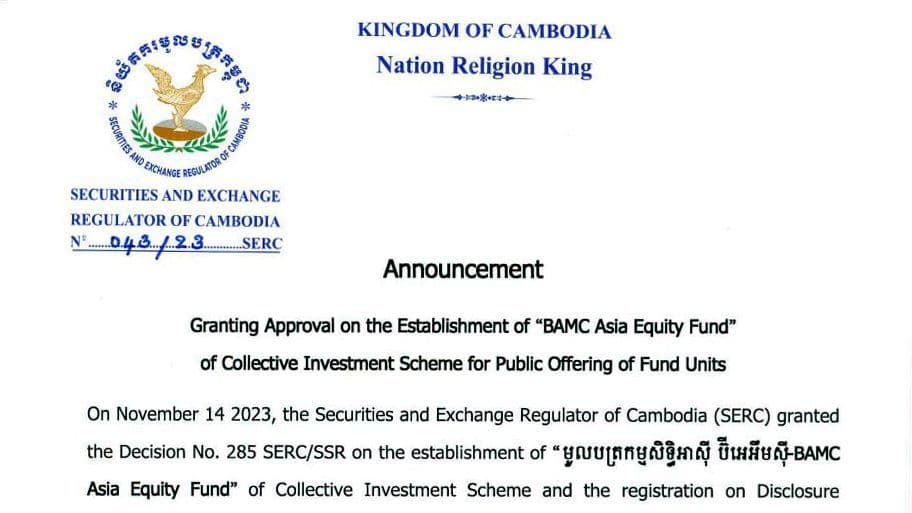
SERC Approves BAMC Asia Equity Fund for Public Offering
Phnom Penh, Cambodia – The Securities and Exchange Regulator of Cambodia (SERC) has officially granted Decision No. 285 SERC/SSR for the establishment of the “មូលបត្រកម្មសិទ្ធិអាស៊ី ប៊ីអេអឹមស៊ី - BAMC Asia Equity Fund” as part of the Collective Investment Scheme. This landmark decision also includes the registration of the Disclosure Document (Prospectus) for the public offering of fund units managed by Banjaran Asset Management (Cambodia) Plc. The BAMC Asia Equity Fund marks a significant advancement in Cambodia's financial landscape, providing local and international investors with diverse investment opportunities. This fund is designed to enhance access to capital markets and promote economic growth in the region. Banjaran Asset Management (Cambodia) Plc is committed to upholding the highest standards of fund management and governance practices. With the approval of the BAMC Asia Equity Fund, the company aims to contribute positively to the development of Cambodia’s capital markets and provide investors with innovative investment solutions. The launch of the BAMC Asia Equity Fund is expected to set new benchmarks for collective investment schemes in the Kingdom, fostering a more vibrant and inclusive financial services sector. Further updates regarding the fund's public offering will be announced soon.

Investment Education Series related to Collective Investment Scheme (Part One)
Investing in Legitimate Investment Products According to published figures by the World Bank, Cambodia's GDP per capita has risen from US$783 (2010) to US$1,625 (2021). Statista.com projected that its GDP will continue to grow to approximately US$2,656 by 2028. The growth in the middle income and increase in wealth of the average Cambodian will naturally bring about the need for investing. However, recently we have also seen a spike in cases of reported fraudulent and failed investment schemes, as well as some which are outright scams. When investing, investors are traditionally enticed by high returns and a sense of familiarity. Very often they ignore what is perhaps the most important factor when investing, which are the risk factors. Risk comes in many forms, to name a few: Counterparty Risk Market Risk Currency Risk Liquidity Risk Regulatory Risk Specific Risk Environmental Risk Bankruptcy Risk Operational Risk Based on past data, it is evident that there is a direct relationship between risk and return. The higher the return from a particular investment, the risk becomes higher. We can illustrate this in a simple graph. Generally, to mitigate the risk, investments should be made on or above the line. Furthermore, investors should select legitimate investment products. ❖ Legitimate investment products (Regulated) When investing, investors should consider whether the investment scheme is regulated, unregulated, or an outright scam. Regulated investment products are generally subject to onerous supervision by the country’s regulators. This makes regulated investment products safer choices compared to the others. A regulated investment product will generally have these features: Approval from the regulator Managed by a licensed fund manager Proper legal documentation and disclosures and will normally be audited by an audit firm accredited by the regulator. Therefore, the risk of a regulated investment scheme being a fraud is very low. ❖ The update of the Cambodia Collective Investment Scheme Market Acknowledging the potential of the collective investment scheme market for economic growth, the Securities and Exchange Regulator of Cambodia (SERC), a sole regulator to regulate, supervise, and develop the securities market in Cambodia has developed the infrastructure to launch this market through the adoption of the Prakas to regulate this market. As a result, on May 29, 2018, SERC adopted the Prakas on “Licensing and Supervision of Collective Investment Scheme Business” to allow companies to apply for a license or approval from the SERC to conduct the Collective Investment Scheme Business. As of Q3 2023, SERC has provided license/approval to 16 fund management companies, 8 trustees, 5 fund distribution companies, and 3 fund administrators. In addition, on July 20, 2023, SERC also adopted the Prakas on “The Issuance of Fund Unit of Collective Investment Scheme”. This Prakas determines the condition and requirement to issue fund units of the collective investment scheme and the post-issuance operation to ensure the orderliness, accountability, and transparency in the market and, most importantly to protect all market stakeholders including investors. ❖ Unregulated Investment Products Unregulated investment schemes are generally operating companies offering high returns and are only governed by the basic corporate regulations. Scams and unregulated investment schemes are often difficult to differentiate. These investment schemes generally have the following features: The promise of unusually high returns (too good to be true because the risk may be extremely high), Poor documentation (hidden risks and hidden costs are not disclosed), Managed by a small team of individuals (usually with exaggerated backgrounds), No proper third-party verification (not audited – all done by one company). Most importantly, there are no regulators to supervise the legitimacy of the investment schemes. ❖ Scams or Fraudulent Investment Schemes These are recent cases of unregulated investment schemes that have gone bad in Cambodia: The International Forex Trading case of 2019, in which the scheme was operated by a small group of individuals making promises of very high returns. There were no checks and balances and the company was in charge of both making the investment as well as issuing cheques to investors. Such unregulated companies, when unchecked by an independent third party can make false and exaggerated claims. In the Empire Big Capital Limited and Investment Consultant Association case of 2017, again this scheme was operated by a small group of individuals making promises of very high returns (10% per month). Similar to the previous case, there were no checks and balances, the company basically did everything internally. There were also reports of land investment schemes that have turned sour and were alleged to be fraudulent. Some of these operators have been arrested and charged, and some jailed. The alleged land investment scheme always promised high returns. There is a lack of transparency in how the funds were invested and with regard to the progress of the projects and their cashflows. It is important to note that there is a difference between an investment scheme going bad and it being an investment scam. All investments have to take risks to generate returns. There are many examples of investments going bad due to poor market conditions and other reasons. Scams happen when there is no real intent to channel money collected from investors into the stated investment. Instead, profits are fictitiously generated by using money from new investors to pay previous investors. This is known as a Ponzi scheme. Scam operators are in all instances not approved by regulators. ❖ Conclusion In seeking legitimate investments, investors should consider the following: Is the company regulated by the relevant authorities? Is the product approved by the relevant authorities? Does the investment reasonably justify the return that is promised? Does the collective investment scheme have basic checks and balances, like independent lawyers, auditors, and other professionals? Lastly, trust your instincts. If an investment sounds too good to be true, you should investigate further and ask more questions. In selecting a legitimate investment that fits your risk profile, the investment should diversify your risk and at the same time help you grow your wealth over time. An article from the Securities & Exchange Regulator of Cambodia (SERC)

Banjaran Asset Management Submits BAMC Asia Equity Fund for Collective Investment Scheme Approval to SERC
Phnom Penh, Cambodia – Banjaran Asset Management (Cambodia) Plc. has taken a significant step forward in the financial sector by submitting the application for its BAMC Asia Equity Fund for fund unit offering approval. The submission falls under Cambodia's Collective Investment Scheme (CIS) regulatory framework, reflecting the company's commitment to providing robust investment opportunities in the region. The inspection of the application was conducted by Her Excellency Thay Sokphalline, Director of the Securities Issuance Department, along with a team of officials from the Securities and Exchange Regulator of Cambodia (SERC). The comprehensive review marks an important milestone for the BAMC Asia Equity Fund, which aims to broaden access to diverse investment portfolios, catering to the growing demand for equity investment solutions in Asia. The BAMC Asia Equity Fund represents a pioneering effort in Cambodia’s capital market landscape. Banjaran Asset Management remains confident that this offering will contribute to the country’s economic growth by attracting both domestic and international investors. With a strategic focus on high-growth sectors across the Asia region, the fund is poised to deliver long-term returns for investors while strengthening Cambodia’s position in the global financial market. Banjaran Asset Management (Cambodia) Plc. continues to work closely with regulatory bodies to ensure compliance with all legal and financial guidelines. Pending approval, the BAMC Asia Equity Fund will be the first of its kind in the Cambodian market, marking a significant achievement in the country's financial sector development. For further updates and details, please stay tuned for official announcements from Banjaran Asset Management and the Securities and Exchange Regulator of Cambodia (SERC).
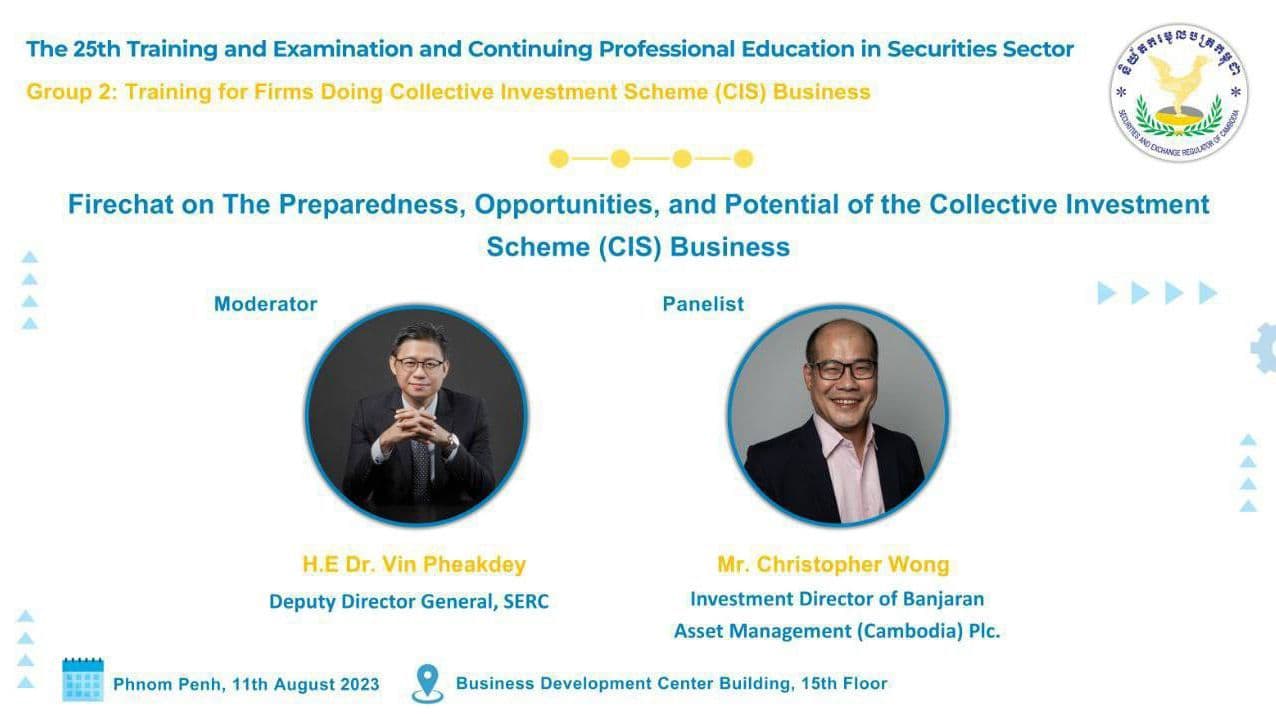
Firechat on The Preparedness, Opportunities, and Potential of the Collective Investment Scheme (CIS) Business
Phnom Penh, Cambodia – Mr. Christopher Wong, Investment Director of Banjaran Asset Management (Cambodia) PLC, participated in a dynamic discussion titled “Firechat on The Preparedness, Opportunities, and Potential of the Collective Investment Scheme (CIS).” The event was moderated by H.E. Dr. Vin Pheakdey, Deputy Director General of the Securities and Exchange Regulator of Cambodia (SERC). The discussion focused on the evolving landscape of collective investment schemes in Cambodia, emphasizing the importance of regulatory preparedness and the potential for economic growth through these investment vehicles. Wong shared his expertise on the opportunities that CIS presents for both local and international investors, highlighting its role in enhancing capital access and promoting financial inclusion in the country. The event also provided a platform for industry stakeholders to engage in dialogue about the challenges and opportunities within the investment sector. Wong's insights contributed to a deeper understanding of how collective investment schemes can be leveraged to strengthen Cambodia's financial markets. As the country continues to develop its capital markets, such discussions are crucial for fostering collaboration among regulators, investors, and industry leaders. Banjaran Asset Management (Cambodia) remains committed to participating in initiatives that promote a robust investment environment and advance the nation’s financial services sector. Firechat on The Preparedness, Opportunities, and Potential of the Collective Investment Scheme (CIS) Business.

Banjaran Asset Management (Cambodia) Participates in Green Cleaning Event
Koh Pich, Phnom Penh – Banjaran Asset Management (Cambodia) PLC proudly participated in a Green Cleaning Event held on Diamond Island, reinforcing its commitment to environmental protection and sustainability. The event aimed to raise awareness about the importance of maintaining clean and green spaces while encouraging community involvement in environmental initiatives. During the event, employees from Banjaran Asset Management joined local volunteers and community members in various cleaning activities, including litter collection and environmental education sessions. This hands-on approach not only contributed to the beautification of Diamond Island but also served to educate participants about the principles of environmental stewardship and the necessity of preserving natural resources for future generations. “We believe that corporate responsibility extends beyond financial success; it includes being active stewards of our environment. By taking part in events like this, we hope to inspire others in the business community to contribute to a cleaner and greener Cambodia.” Ben Lee, Managing Director of Banjaran Asset Management (Cambodia), expressed pride in the company’s participation. The Green Cleaning Event showcased the importance of collective efforts in promoting sustainability, with various organizations and local government representatives coming together to set a positive example. Banjaran Asset Management’s involvement highlights its dedication to not only advancing financial services but also fostering a culture of environmental consciousness within the Kingdom. As part of its broader corporate social responsibility strategy, Banjaran Asset Management (Cambodia) aims to continue engaging in initiatives that benefit both the community and the environment, further establishing itself as a responsible leader in Cambodia’s financial sector.

Banjaran Asset Management (Cambodia) and Stronghold Trustee Collaborate on Market-Leading Public Investment Fund
Phnom Penh - A significant signing ceremony took place between Banjaran Asset Management (Cambodia) PLC and Stronghold Trustee Co., Ltd. The event, presided over by H.E. SOU Socheat, Director General of the Securities and Exchange Regulator of Cambodia (SERC), alongside other key officials, marked the collaboration for launching Cambodia’s first public fund and collective investment scheme. Pending approval from the SERC, this initiative will be a landmark achievement in the Kingdom’s financial services sector, providing retail investors with alternative investment options beyond traditional bank deposits. The fund will be managed by Banjaran Asset Management (Cambodia), with Stronghold Trustee serving as the trustee and Singapore-based Banjaran Asset Management as the investment adviser. This collaboration will offer Cambodian investors access to international markets without the need to travel to financial centers like Hong Kong and Singapore. Hans Chen, CEO of Stronghold, expressed excitement for the launch, emphasizing the professionalism and expertise that Stronghold brings to the initiative. Ben Lee, Managing Director of Banjaran Asset Management (Cambodia), highlighted the incorporation of international fund management practices and the training provided to local professionals in the fund management ecosystem. Established in 2022, Banjaran Asset Management (Cambodia) operates under a fund management license issued by the SERC, as part of a joint venture with Banjaran Holdings Pte Ltd, Best Magnet Capital Co., Ltd, and Primo Plus Co., Ltd. Stronghold Trustee, the first licensed trustee under the Cambodian Trust Law, specializes in trust services tailored to client needs. With approximately $5 billion in assets under management, Banjaran Asset Management Pte Ltd (BAMPL) in Singapore further solidifies its expertise in investment management, offering a variety of asset classes. The launch of this public investment fund represents a pivotal step in Cambodia’s financial landscape, providing new wealth growth opportunities for local investors and setting the stage for future advancements in the sector. More News Cambodia Investment Review Securities and Exchange Regulator of Cambodia Trust Regulator
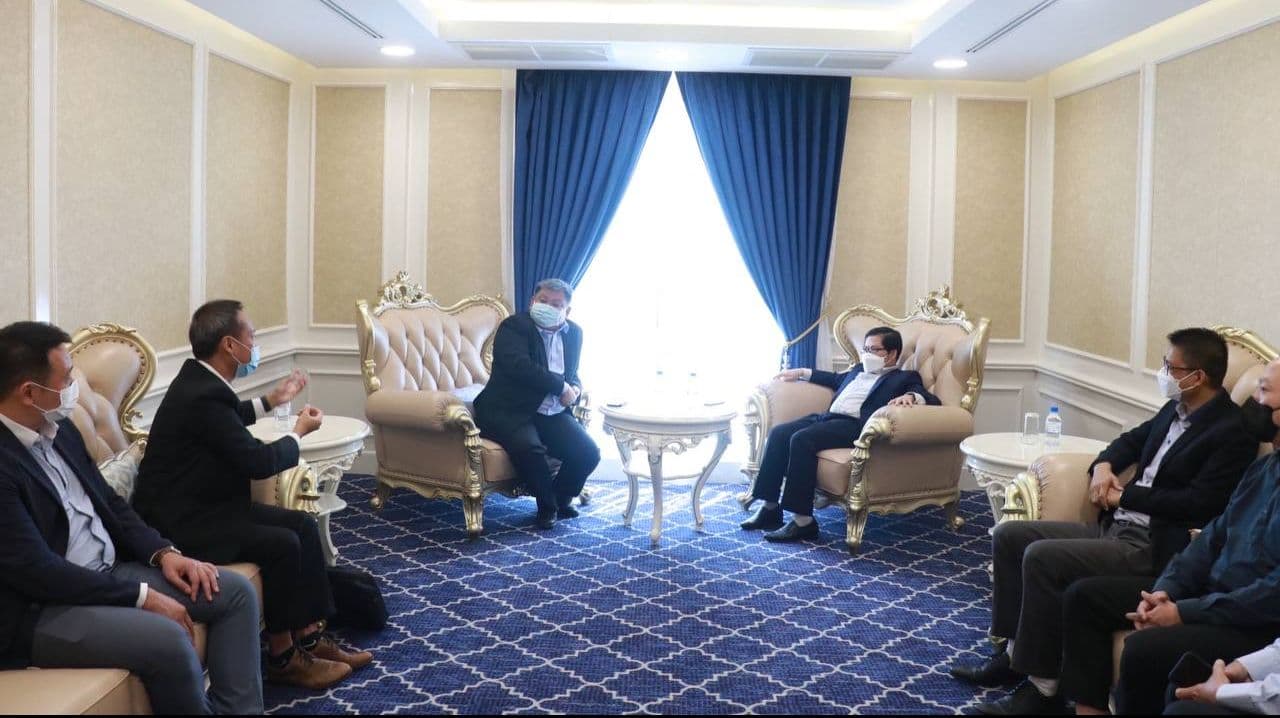
SERC Welcomes Singapore’s Banjaran Asset Management for Strategic Talks on Cambodia’s Securities Sector
04 May 2022, Phnom Penh In a notable demonstration of Cambodia's ongoing commitment to fostering the growth and modernization of its capital markets, His Excellency Sou Socheat , Delegate of the Royal Government in charge as Director General of the Securities and Exchange Regulator of Cambodia (SERC), together with His Excellency Dr. Vin Pheakdey , Deputy Director General of SERC, officially welcomed the executive leadership team from Banjaran Asset Management Pte Ltd (BAMPL), a Singapore-based asset management firm, during their visit to the Kingdom of Cambodia in May 04 2022. The visiting delegation was led by Mr. Aaron Ng , BAMPL CEO, and Mr. Low Hon-Yu Low , BAMPL Executive Director. The meeting served as a crucial platform to discuss strategic cooperation and potential business opportunities within Cambodia's developing securities sector. H.E. Sou Socheat provided a comprehensive overview of Cambodia's capital market, detailing its regulatory frameworks, investment climate, and institutional infrastructure. He underscored the government’s ongoing reforms aimed at ensuring transparency, protecting investors, and achieving international compliance, all designed to position Cambodia as an attractive emerging market. Discussions also focused on Cambodia's initiatives to deepen its market by diversifying financial instruments and encouraging participation from both domestic and international players. BAMPL expressed significant interest in exploring investment and operational opportunities in Cambodia, aligning with their broader Asia-Pacific strategy to expand their presence and offer diversified market access to investors. H.E. Dr. Vin Pheakdey further emphasized the importance of regulatory compliance, robust risk management standards, and continuous investor education. He assured BAMPL of SERC's support in facilitating responsible market entry for reputable foreign institutions. The BAMPL team shared insights into their business model, regional experiences, and their vision for contributing to Cambodia's capital markets. Their proposed business plan, including fund management and distribution services, were reviewed in detail. H.E. Sou Socheat concluded the meeting by providing constructive feedback and outlining the key regulatory requirements for licensing and operational approval. He offered practical guidance on navigating the legal and procedural aspects of establishing a presence in Cambodia’s securities sector, reaffirming SERC’s openness to engaging with serious investors and partners who align with Cambodia’s financial development goals. This meeting underscored Cambodia’s proactive efforts to foster a dynamic, inclusive, and internationally connected capital market, signaling its readiness for greater integration into the broader Asia-Pacific financial ecosystem. This paves the way for increased foreign investment, product innovation, and accelerated long-term economic growth beneficial to both local and global investors.
Market Outlook

2026 February Market Outlook: From U.S. Policy Turmoil to Mixed Signals Across Asia
The geopolitical scene in the US has been uncertain and volatile. The January jobs report exceeded expectations, though employment gains were largely concentrated in the healthcare sector. Kevin Warsh, known for his hawkish stance, has been nominated as the next Federal Reserve Chair, though this remains to be confirmed by the Senate. In the past week, the Supreme Court has ruled against President Trump’s International Emergency Economic Powers Act (“IEEPA”) tariffs. In return, the Trump administration acted quickly to impose 10% global tariffs, and immediately raised to 15% that will remain effective for 150 days under a separate trade law. These developments have contributed to a weakening US dollar, which is further exacerbated by rising US-Iran military tensions. Gold extended its rally and reached new highs, while silver surrendered most of its gains. Investors remain cautious amid sharp swings in these traditional safe haven assets. In Asia, market performance has been mixed. Indonesia experienced its largest stock crash since 1998, whereas South Korea and Taiwan delivered strong returns. Markets have shown heightened sensitivity to the external macro environment, resulting in intermittent pullbacks. Most recently, Chinese stocks rose as IEEPA tariffs were removed as China is set to face lower duties on shipments to the US. The Shanghai Composite and Hang Seng indexes also experienced recent declines, as is expected due to thin trading volumes during the Lunar New Year holiday season. Overall sentiment towards Asian equity markets amid the uncertain global political climate remains positive. Against this backdrop, we continue to diversify across different markets and sectors while remaining selective to stock selection, particularly within the technology sector. We continue to maintain a disciplined, bottom-up approach in portfolio construction.

2026 January Market Outlook: A Month That Redirected Market Attention
The New Year began with subdued volatility, but the calm was subsequently shattered by geopolitical events, notably US’s desire to take over Greenland for its strategic Arctic Circle argument. Demand for gold and silver skyrocketed with prices hitting new fresh highs. However, these high precious metal prices can create a range of challenges for precious metal-dependent industries like solar panel makers and EV producers which use silver as part of their components in their production. This may further impact the profitability of the solar panel makers which are already facing an oversupply situation. Asian markets started the year mixed but with some positive moves. Several key themes are driving the markets, central amongst them is a strong Asian IPO pipeline especially in Hong Kong and India. Other country-specific themes that are driving the markets include the deployment of funds from the Equity Market Development Programme in Singapore. The Korean Kospi has exceeded their President’s target, with technology companies fueling the rally on accelerated semiconductor demand. China surprised with an export outperformance with a record 2025 trade surplus, plus resurgent interests in AI-related tech names. While in Japan, performance is mixed where there are concerns with the volatility and soaring yields in the Japanese Government Bonds market. In 2025, US technology stocks dominated investor attention for much of the year, later turning to precious metals commodities. This period also underscored the importance of diversification and currency exposure beyond the US. With growth now amplifying across global markets, moderate softening of the US dollar may act as a drag on returns from US assets. Against this backdrop, we retain our emphasis on broadening exposure to other markets and sectors while being mindful of our stock selection, particularly in the technology sector. We continue to maintain a disciplined, bottom-up fundamental approach in portfolio construction.

2025 December Market Outlook: Protecting Value as Risks Reprice.
The hawkish rate cut signaled the Fed’s caution, even as tariff-related inflation pressures appeared to be fading. November’s jobs report suggested a subdued consumer environment. Unemployment had risen to its highest level since 2021, and retail sales remained unchanged despite Black Friday sales. Though the Trump administration has softened its language on China, recent developments highlight the delicate truce in their trade war. The U.S. has restricted China’s access to technology, such as permitting limited Nvidia chip exports, and formed an international partnership to counter China’s rare earth dominance. Across Asia, the picture remains mixed. The weaker U.S. dollar alleviates pressure on currency weakness in countries like Indonesia, South Korea, India, and the Philippines. The Bank of Japan have responded to the Fed’s rate cut by raising interest rates by a quarter point in a widely expected decision. In China, the economy continues to be supported by sustained capital inflows and the boom in exports while pivoting away from dependence on U.S. consumers. This was in spite of the property sector slump, missed industrial production expectations, weak retail sales, and unchanging unemployment rates. Measures to drive consumption appear ineffective, and rising trade frictions with countries beyond the U.S are weighing on sentiment. Investors are increasingly watchful for signs of an AI-driven bubble, including circular financing risks inflating valuations, where such dynamics could unwind abruptly. Against this backdrop, investors face a strategic dilemma - rein in AI exposure ahead of a potential bubble popping, or double down to capitalize on game-changing technology breakthroughs. In response, we are positioning portfolios defensively and broadening exposure to other sectors. This includes increasing allocations to commodities such as silver and gold, which can serve as stores of value, and consumer staples, that tends to offer more resilient demand. We continue to maintain a disciplined, bottom-up fundamental approach in portfolio construction.

2025 November Market Outlook: AI Bubble Alert
Mega-cap chip making company Nvidia Corp (“Nvidia”) became the first company to hit $5 trillion market capitalisation, likely due to U.S. President Trump’s comments ahead of the trade talk with Chinese President Xi Jinping at the end of October. The talk resulted in a consensus on cooperation in expanding agricultural trade and pausing the rare-earths licensing regime for a year. Mid-November saw the conclusion of the record U.S. government shutdown, which lasted 43 days, and put an end to unpaid furlough and other government operations. Consequently, the October jobs report was cancelled due to insufficient data. The ambiguity around unemployment rates raised uncertainty about the state of the U.S. economy. Compounding concerns were exacerbated by growing anxieties about stretched valuations of an “AI bubble”, which led to a selloff towards the end of November. Similarly, the Asian equity market, primarily due to technology companies in the AI landscape, slumped after an initial rally in the previous month’s end. In the semiconductor space, South Korean company Samsung Electronics Co., Ltd. reported an 80% surge in profit and SK Hynix Inc. continued to lead in chip memory. In China, different industries continue to diverge as technology companies grow while consumption and property remain a drag. In response, China’s policymakers are evaluating various measures to support the housing market. The MSCI Emerging Markets Index fell sharply, and losses were led by the tech heavy Korean Kospi index where the aforementioned Korean companies posted steep declines. Looking ahead, we remain cautious of the volatility in the markets. Due to concerns about inflated valuations for technology companies, the pullback observed in late November may have been a profit taking move or a price correction. Investors remain watchful for indicators of the widely discussed AI bubble, and signals for a potential burst. Against this landscape, we maintain a disciplined and balanced approach, grounded in bottom-up fundamental analysis in our portfolio construction.
2025 October Market Outlook: Between Tariffs and Growth — Searching for Stability
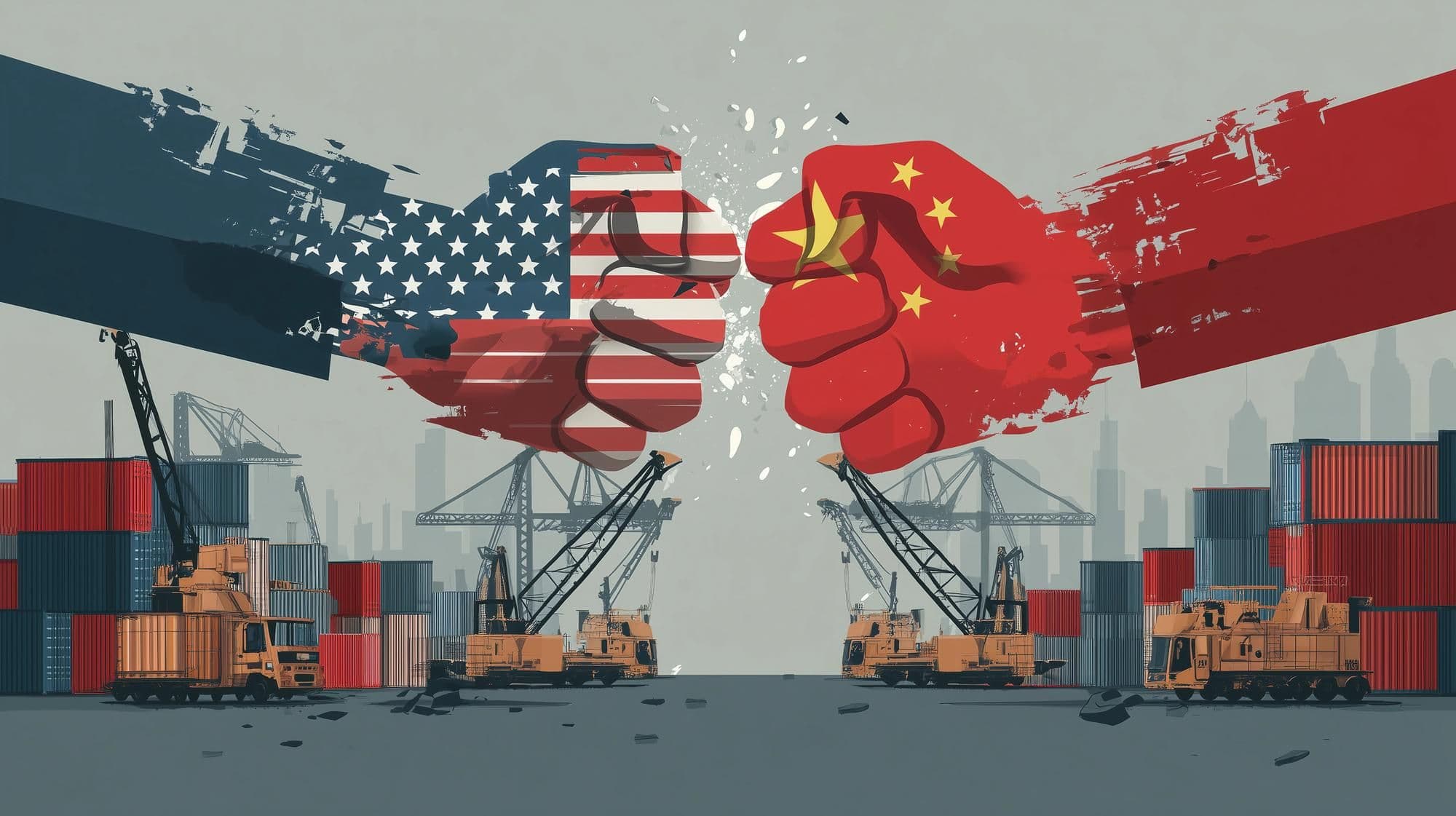
Towards the end of September, in an effort to protect American jobs, the Trump administration made surprised changes to immigration visa laws that target foreign talent, particularly those working in the U.S. technology sector. Amongst the heaviest users of this targeted immigration visa scheme include Amazon.com Services LLC, Meta Platforms Inc, Apple Inc and Google LLC. Later that month, the U.S. Immigration Service issued guidance that included exceptions, thus stabilising concerns. However, the labour market outlook remains uncertain with the shutdown of the U.S. government, which began on October 1st. Consequently, data reports such as the official U.S. monthly jobs report and the labour-intensive Consumer Price Index report would likely be delayed amidst the impending mass firing and unpaid furlough of certain segments of federal workers. In China, September data showed low domestic demand, a continued property downturn and the weakest economic growth in a year. With the ongoing US-China trade war, Chinese regulators have urged against the use of Nvidia chips completely, stating that domestic chips are adequate in delivering comparable computing power. As such, Chinese domestic chipmakers have benefitted from efforts to become self-sufficient, and this move should serve as a catalyst to grow the technology sector. China tightened exports of rare earth where products that contain certain rare earths or traces of it sourced from China will now require an export license. With a 70% share of global supply, the supply crunch would be felt by the U.S. and Europe. In response, the U.S. imposed a 100% import surtax on Chinese goods effective November 1st, ahead of the 90-day tariff truce that was set to end on November 9th. Despite the trade war uncertainty, Chinese exports rebounded in September from a slump in August, beating estimates and increasing 8.3% year over year while imports grew 7.4%. The sweep of high tariffs from the U.S. have led China to seek imports from other avenues, such as Brazil and Argentina for soybean, which has caused farmers in the U.S. to scramble for buyers. On the other hand, aggressive price competition among manufacturers in China have led to what has been termed ‘Chinese dumping’, where low prices due to Chinese imports are alarming domestic producers in India, Africa and South-east Asia. Looking ahead, we remain cautiously optimistic of the global markets. In the U.S., businesses and households are concerned over trade tariffs, changes to immigration laws and the shutdown of the U.S. government. The structural imbalance in China represented by slow domestic growth and heavy reliance on export further weighs on global financial markets and investor confidence. Despite the uncertainty, there were reports of pockets of positive news. Alternative data in the U.S. such as restaurant bookings and theatre box office receipts reflects resilient consumer activity. The number of seated diners was up 9% from last year and domestic box office grossed 13% more than the previous month.

2025 September Market Outlook: Bullish Trends Meet a Cautious Reality
August began with higher reciprocal tariffs imposed by the U.S. on its trading partners. Notably, a 50% tariff on India that included a 25% penalty for purchasing Russian oil and weapons. Meanwhile, the U.S. and China extended a tariff truce for another 90 days to 10 November. Credit spreads narrowed further in August, indicating continued high investor risk appetite. Equity markets broadly advanced, reinforcing bullish sentiment amid strong earnings from technology driven firms. That said, investors are growing cautious about returns from technology and particularly, AI investments. Economic data indicated a struggling Chinese economy with low factory output, weak retail sales, troubled property sector and high unemployment. This raises the likelihood of policy support in the fourth quarter; economists suggest monetary easing and fiscal expansion. Despite underwhelming economic data, the Chinese stock market stands at a stark contrast to the economy with the Shanghai Composite Index at a 10-year high. Additionally, the government announced their aim to triple chip output in 2026. The reluctance of household spending is evident in the size of savings worth more than 60% of the total value of the Chinese stock markets, leading analysts to believe that the rally is supported by long-term and institutional investors. Key drivers include the strategic deployment of state funds, inflows from global institutional investors—such as major U.S. financial institutions like Goldman Sachs and JPMorgan, as well as large Singapore-based funds—and increased participation by domestic mutual funds and insurers. Looking ahead, we remain cautiously optimistic. While trade frictions, sticky inflation, and geopolitical tensions continue to weigh on sentiment, global activity remains resilient. Primarily driven by technology companies’ robust earnings, U.S. equities performed well, with S&P 500 and Nasdaq reaching record highs in August. Despite an initial pullback, markets have broadly rallied since, buoyed by expectations of two more rate cuts this year, moderating inflation, and resilient corporate earnings. Within Asia, institutional investors looking for diversification beyond U.S. assets are lured by China’s stock market bull run. Against this backdrop, we maintain a disciplined and balanced approach, grounded in bottom-up fundamental analysis in our portfolio construction.